
What to Expect During an Asphalt Blacktopping Project
People seeking asphalt blacktopping often want a durable, smooth surface, and local contractors can efficiently handle the job to meet their paving needs.
If you're considering an asphalt blacktopping project for your property, understanding what to expect during the process can help ease any concerns and ensure you're prepared. Property owners in the area often explore this topic to gain clarity on how the work unfolds, from initial site preparation to the final surface finish. Knowing the typical steps involved can also highlight the importance of working with experienced local contractors who have the skills and equipment to handle each phase smoothly. This insight can help ensure the project meets expectations and provides a durable, attractive surface for years to come.
Asphalt blacktopping services offered by local contractors are designed to deliver quality results while minimizing disruptions. During the project, you can expect professionals to assess your site, prepare the existing surface, and carefully execute each stage of the blacktopping process. Being informed about what happens at each step can help property owners plan accordingly and feel confident in the expertise of local service providers. Keep reading to learn more about the typical progression of an asphalt blacktopping project and how local contractors can assist in achieving a successful outcome.
- Residential Driveways - homeowners seeking to improve or replace their driveway can rely on local contractors to handle the blacktopping process efficiently.
- Commercial Parking Lots - business owners needing durable parking surfaces can expect local pros to prepare and blacktop large areas with precision.
- Private Roads and Access Ways - property managers looking to upgrade access routes can work with local service providers to ensure proper blacktopping techniques.
- Pathways and Walkways - for enhanced safety and appearance, local contractors can expertly blacktop pedestrian pathways and walkways.
- Repair and Resurfacing - those needing to restore or extend existing asphalt surfaces can depend on local pros to assess and perform necessary blacktopping work.
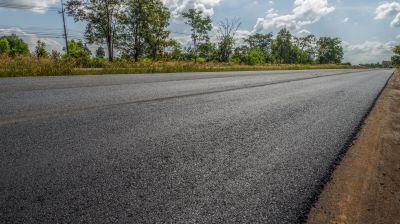
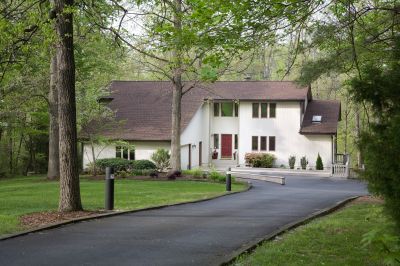
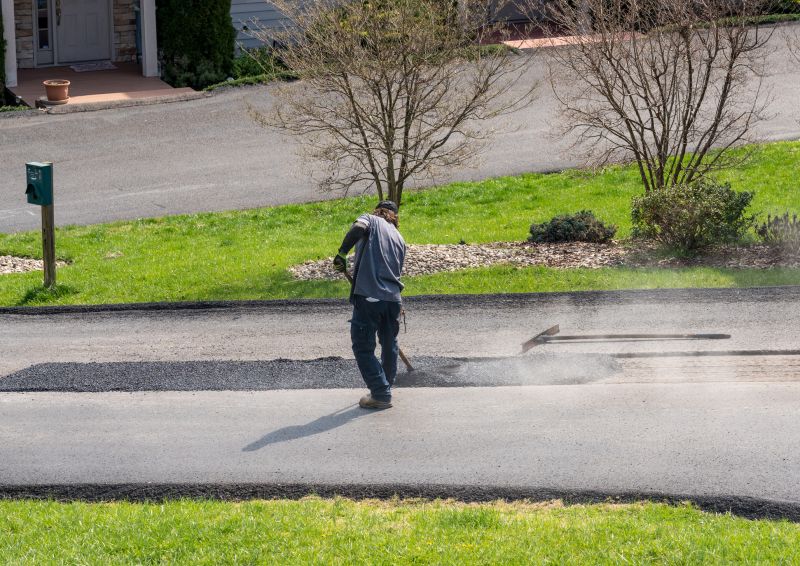
Understanding what to expect during an asphalt blacktopping project helps homeowners prepare for this common driveway or parking lot upgrade. When people search this topic, they typically want to know how the process unfolds, what steps are involved, and how long the work might take. They may be planning to replace an old, cracked driveway or improve the appearance and functionality of their property’s paved areas. Clear expectations can help homeowners coordinate their schedules and ensure the project aligns with their goals, making it easier to work with local contractors who specialize in asphalt blacktopping.
This type of project often relates to property improvements or repairs, especially when existing asphalt surfaces have deteriorated or no longer meet the needs of the property owner. Problems such as cracks, potholes, or uneven surfaces are common reasons for blacktopping. Property plans might include expanding a driveway to accommodate more vehicles, resurfacing a parking lot for a business, or simply restoring a worn-out surface to enhance curb appeal. Understanding the scope of these plans helps homeowners communicate their goals effectively and ensures that local service providers can recommend the right solutions for their specific property.
The types of properties that typically come up during asphalt blacktopping projects include residential driveways, commercial parking lots, and small private roads. Residential properties often seek blacktopping to improve access and increase property value. Commercial properties may require larger-scale blacktopping to support customer parking and operational needs. In some cases, properties like community centers, churches, or small industrial sites also consider blacktopping for better durability and safety. Knowing the property type helps homeowners identify which local contractors are experienced in handling projects similar to theirs, ensuring the work is tailored to their specific property’s size and usage.
During an asphalt blacktopping project, homeowners can generally expect a sequence of preparation, removal, and resurfacing. This includes clearing the area, removing any existing damaged asphalt, and preparing the base to ensure proper drainage and stability. The process often involves grading to achieve the desired slope and smoothness, followed by the application of fresh asphalt that is compacted to create a durable surface. Local pros will manage these steps to meet standard industry practices, providing a surface that looks good and performs well over time. Understanding this process helps homeowners anticipate what will happen on-site and how the work will improve their property’s functionality and appearance.
Paving Driveways - Local contractors specializing in driveway paving use similar skills and tools as asphalt blacktopping projects, focusing on surface preparation and asphalt application.
Parking Lot Resurfacing - This type of project involves planning and surface leveling comparable to what is needed during asphalt blacktopping work on larger areas.
Roadway Repair - Road repair projects require similar planning, excavation, and asphalt laying techniques that are essential during blacktopping processes.
Basketball Court Surfacing - Installing or resurfacing sports courts involves asphalt work and surface finishing skills akin to those used in blacktopping projects.
Sidewalk and Pathway Paving - Paving sidewalks involves surface prep and asphalt laying, paralleling the steps taken during blacktopping projects for driveways or lots.
Sealcoating Services - Sealcoating is a maintenance process that complements blacktopping, requiring knowledge of asphalt surface conditions and application methods.
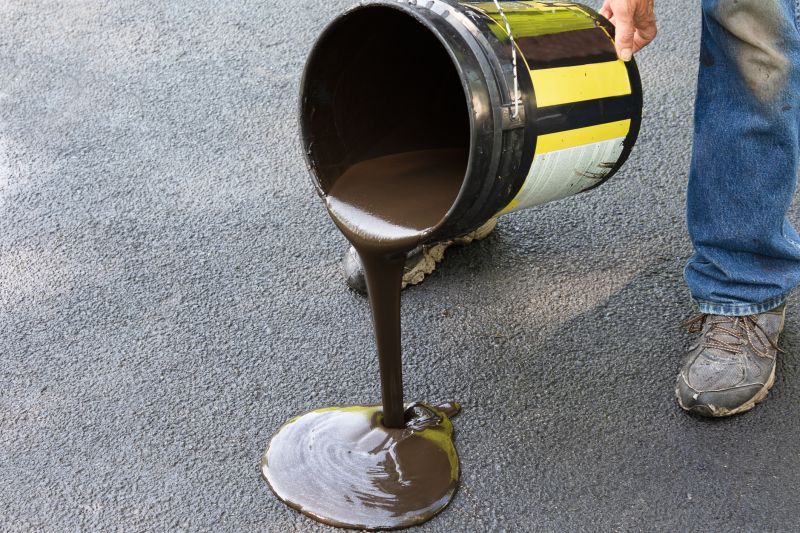
When evaluating asphalt blacktopping services, it is important for homeowners to consider the experience of local contractors with similar projects. An experienced service provider will have a track record of working on driveways, parking lots, or other surfaces comparable to the scope of the job. This familiarity can help ensure that the project proceeds smoothly and that the contractor understands the specific challenges and requirements associated with blacktopping in the local area. Homeowners can ask for references or examples of past work to get a better sense of a contractor’s expertise and how well they handle projects similar to their own.
Clear, written expectations are a crucial aspect of choosing a reliable service provider. Homeowners should seek out contractors who provide detailed descriptions of what the blacktopping process entails, including preparation, application, and finishing steps. Transparent communication about what is included in the scope of work helps prevent misunderstandings and ensures that both parties are aligned on project outcomes. Reputable contractors will be willing to discuss the process thoroughly and provide documentation that outlines the work to be performed, giving homeowners confidence in what to expect during the asphalt blacktopping project.
Good communication and reputable references are key indicators of a trustworthy service provider. Homeowners should prioritize contractors who are responsive and willing to answer questions throughout the process. Asking for references from previous clients can offer insights into the contractor’s professionalism, reliability, and quality of work. A contractor who maintains open lines of communication and can provide positive references is more likely to deliver a professional experience and meet expectations during an asphalt blacktopping project. These factors help homeowners make an informed decision and select a local contractor capable of handling their specific needs effectively.
Property owners often search for what to expect during an asphalt blacktopping project when they are planning practical projects around their homes and businesses. Local pros provide Asphalt Blacktopping services for everyday jobs and straightforward project options.
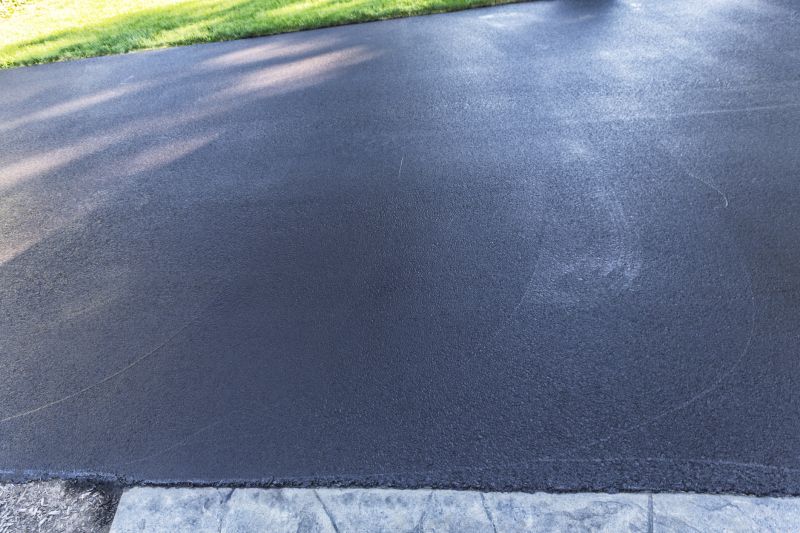
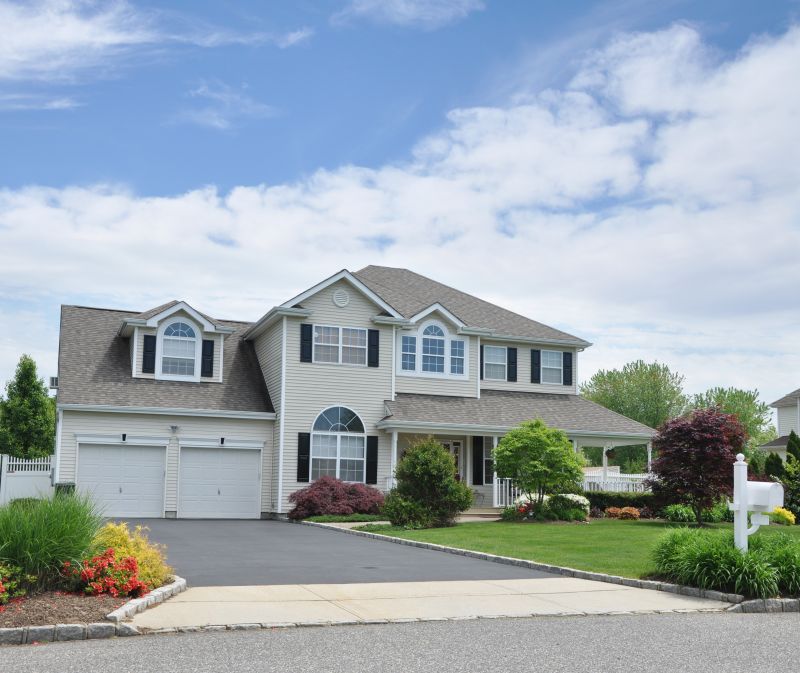
During an asphalt blacktopping project, property owners can expect a series of straightforward steps that help ensure a smooth process. Typically, local contractors will prepare the area by clearing and grading the existing surface to create a stable foundation. This may involve removing old pavement, debris, or vegetation. Once the site is ready, the new asphalt is laid in layers, and the process often includes compacting the material to achieve a durable, even surface. Throughout this process, property owners might notice equipment in use and occasional noise, which are normal parts of the job.
Understanding what to expect during an asphalt blacktopping project can help property owners plan accordingly. It’s common for local service providers to advise on any necessary temporary restrictions, such as limited driveway access during certain phases. Additionally, after the asphalt is laid, it will need time to cure and harden before it can be used fully. Many local contractors also offer guidance on any minor finishing touches or maintenance tips to help prolong the life of the new pavement. Considering these aspects can make the experience more manageable and ensure the best results for the property.
What should I expect during the preparation phase of an asphalt blacktopping project? Local contractors typically prepare the area by removing existing pavement, grading the surface for proper drainage, and ensuring a stable base. This step is essential for a smooth and durable asphalt layer.
How do local service providers handle the actual asphalt application? During asphalt blacktopping, professionals evenly spread and compact the hot asphalt mixture to create a seamless surface. They use specialized equipment to ensure consistent thickness and quality throughout the project.
What kind of disruptions or inconveniences might occur during the project? Asphalt blacktopping projects can involve some temporary disruptions such as restricted access to driveways or lanes, noise from equipment, and occasional detours. Local pros aim to minimize these impacts as much as possible.
What is the typical process after the asphalt has been laid? After application, local contractors usually allow the asphalt to cool and cure properly, which may involve restricting traffic for a short period. They may also perform initial inspections to ensure the surface meets quality standards.
What ongoing maintenance should be expected after an asphalt blacktopping project? Once completed, local service providers often recommend routine inspections, crack sealing, and periodic sealcoating to maintain the asphalt’s appearance and extend its lifespan.
Preparation Process - Property owners can expect local contractors to prepare the existing surface by cleaning and grading to ensure proper adhesion for the blacktop.
Material Application - During the project, local service providers will lay fresh asphalt in layers, smoothing and compacting it for a durable finish.
Curing and Setting - After installation, there will be a curing period where the asphalt hardens, making it ready for use and traffic.
Final Inspection - A thorough check by local pros ensures the blacktopping meets quality standards before the area is opened for regular use.
If you are thinking about what to expect during an asphalt blacktopping project for a property, this guide is meant to help you understand this topic, the typical project types, and how different options might fit your plans.
When you are ready, you can use the quote form on this page to share a few details about your project. From there, local pros can review the basics and follow up with options that match what you have in mind.